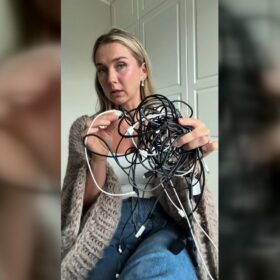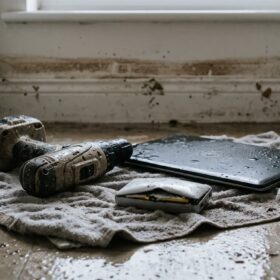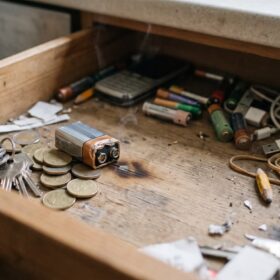


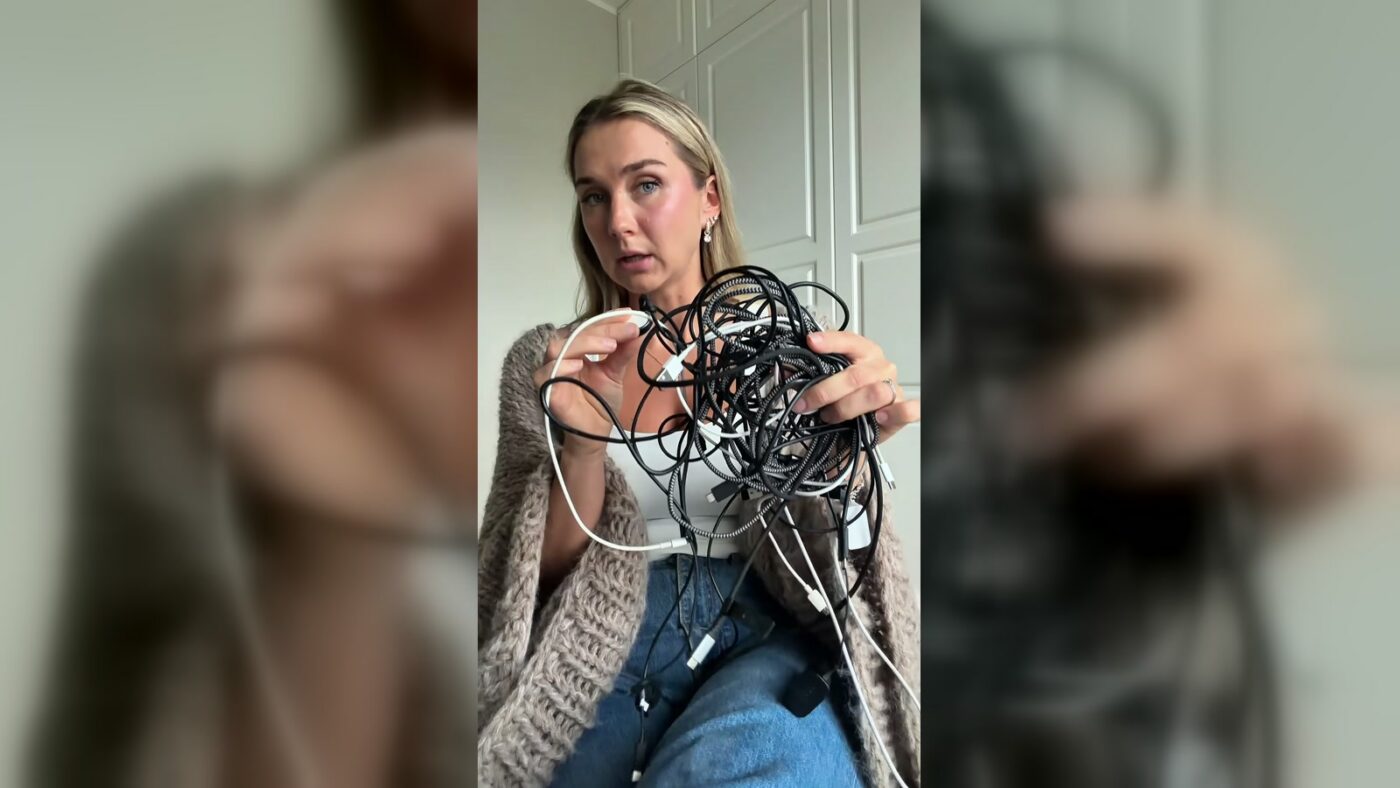
Many homes have one drawer where old chargers, cables and small electronics that nobody uses any more pile up. In November 2026, content creator Liisu Miller took on exactly this topic in cooperation with Eesti Elektroonikaromu and shows in a video how to get rid of old electronics correctly and why they must not end up in household waste. The video can be watched below, and a suitable place to hand in unused gadgets can be found on the interactive map.
Battery-powered devices do not belong in household waste
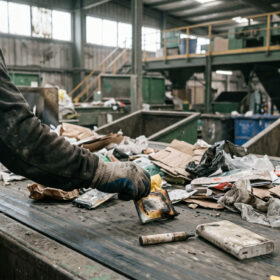
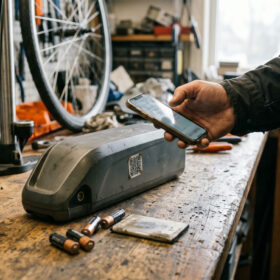
Battery-powered devices that end up in household waste can catch fire when crushed in a waste collection truck or at a waste management site and cause a fire, so even a small device can do great damage. According to the guidance of the Estonian Rescue Board (in Estonian), lithium batteries are a fire hazard above all when they are stored incorrectly, when they are damaged or when they are compressed in a waste collection truck. For consumers, this means that devices with a battery, such as old phones, wireless headphones, electric toothbrushes and battery chargers, must be handed in at a separate collection point and not thrown into mixed municipal waste.
According to the national waste sorting study, about 3,500 tonnes of small electronics end up in household waste in Estonia every year. In addition, about 4 to 5 kilograms of electronics per person sit unused in homes, and according to a Norstat survey, 87% of Estonians have at least one unused smart device at home. After all, small devices take up little space in a drawer, which is why they are left there for years, even though the materials they contain could have been back in circulation long ago.
Old chargers and cables are accepted free of charge
Old chargers and cables count as electrical and electronic equipment and are accepted free of charge all over Estonia. A shop with a sales area of at least 400 m2 that sells electronics must accept devices up to 25 cm in size free of charge, even if the customer does not buy anything. In addition, there are collection boxes for small electronics at the entrances of several shopping centres, and shops have separate collection boxes for batteries and accumulators. It makes sense to take larger devices and larger quantities to a waste station.
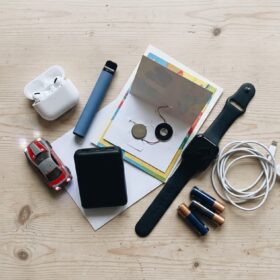
Small electronics include devices under 50 cm in size, such as phones, tablets, modems and battery chargers, but also irons, hairdryers, scales, radios and battery-operated toys. This means that old chargers and cables lying in a drawer are exactly the same kind of e-waste as a broken phone, even though they seem small and harmless. A device that no longer works is also accepted, and a charger or cable does not have to be handed in together with the device.
Handing them in is free for the consumer thanks to the principle of producer responsibility, which has applied in Estonia since 13 August 2005 and under which the cost of processing is already included in the price of the product. From the collection point, old chargers and cables go for processing, where metal, plastic and other materials are separated and sent for recycling. If a device still works, it is worth first offering it to friends or family, selling it, donating it or taking it to a reuse centre.
In short, Liisu Miller’s video is a reminder that unused gadgets do not need to take up space at home for nothing, and that handing in battery-powered devices correctly prevents fires in waste collection trucks and at waste management sites. Your nearest collection point, collection box or waste station can be found on the interactive map, which directs you to the right place for the type of device you are handing in, and all e-waste collection points are gathered in one list.
Read also (in Estonian): Selver’s collection boxes make it easier to hand in small electronics and E-waste in our homes.
- Battery fires caused 2.66 billion euros of damage to the EU waste sector

- Every battery gets a QR code in 2027, but only large batteries get a battery passport
- Small electronics – 13 surprising items that must not go into mixed municipal waste
- Liisu Miller shows in a video where to take old chargers and cables
- Water-damaged devices: what to do after a flood?
- A household danger that can start fires and fits in the palm of your hand