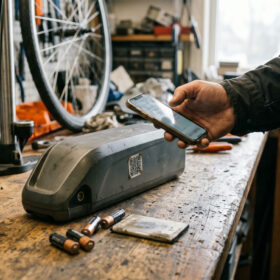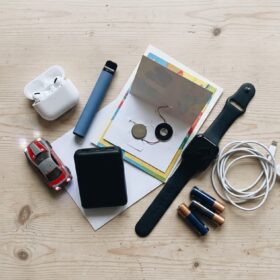


Battery labelling will become more detailed in the coming years. The European Union’s new Battery Regulation is gradually adding more comparable information to batteries and rechargeable batteries, and from 2027 every battery, rechargeable or not, will also carry a QR code. This will make it easier for consumers in the shop to understand how long a battery really lasts and what to do with it after use.
In this article:
Why does battery labelling matter to consumers?
When will a QR code be added to battery labelling?
What information will be added to battery labelling?
Where to take used batteries and rechargeable batteries?
Reading time: 4 minutes.
Why does battery labelling matter to consumers?
When buying a power bank or another battery-powered device, consumers can currently compare mainly the price and the manufacturer’s promises on the packaging, but it is much harder to tell how long the battery really lasts. Battery labelling has so far given little meaningful information, which is why the choice is often made on price alone.
“When we buy a fridge or a washing machine, we are used to looking at the energy class and other indicators in addition to the price. With batteries, we often choose only by the price and the advertising slogan on the packaging. Yet a battery or rechargeable battery that costs four times as much may not actually last four times as long. The new requirements should make the choice easier for consumers and give them more meaningful information,” said Kaur Kuurme, member of the management board of Eesti Elektroonikaromu.
When will a QR code be added to battery labelling?
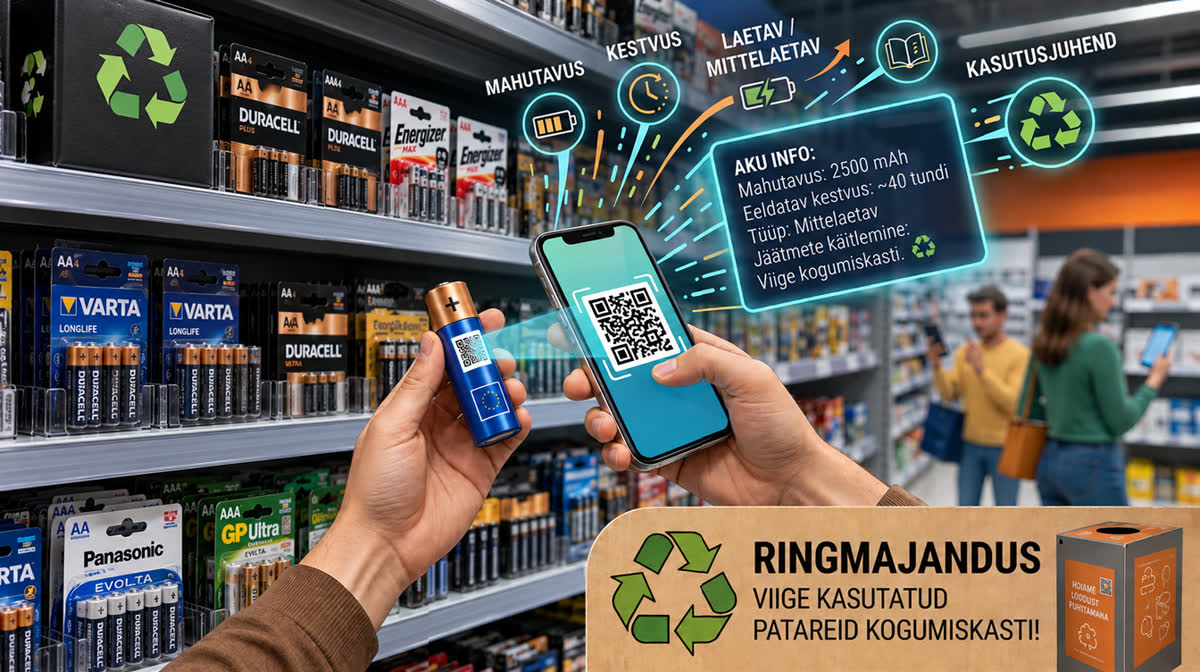
The first addition to battery labelling will be a QR code. The first major change visible to consumers takes effect on 18 February 2027, when all batteries and rechargeable batteries must carry a QR code. The requirement comes from the EU Battery Regulation, which entered into force in 2024 and regulates the entire life cycle of batteries, from production to recycling. By scanning the QR code, consumers will have easier access to information about the battery, including the product’s characteristics and the correct handling of waste batteries.
“It is not possible to fit all the necessary information on a small battery or its packaging. The QR code makes it possible to view additional information on your phone, both about the product you are buying and about what to do with it after use,” Kuurme explained.
What information will be added to battery labelling?
As a next step, the information shown on the batteries themselves will also become more detailed. The new requirements provide that battery labelling will in future include the following:
- For rechargeable portable batteries, among other things, information on their capacity.
- For non-rechargeable batteries, their minimum average duration.
- A clear indication that the battery is not rechargeable.
Before these labelling requirements can be applied in detail, the European Commission still has to adopt the necessary rules, after which producers will have a transition period. The Regulation also sets new collection targets for batteries and additional obligations for producers, which are outlined in Eesti Elektroonikaromu’s article on the new Battery Regulation.
Better battery labelling also supports the circular economy. Valuable raw materials are used to make batteries, which is why it is important to use them for as long as possible and to send the materials back into circulation at the end of their use. Batteries and battery-powered devices must not end up in nature or in mixed municipal waste, because if handled incorrectly they can cause fires and the substances they contain can harm the environment.
Where to take used batteries and rechargeable batteries?
Handing in used batteries and rechargeable batteries is free of charge. Every shop that sells batteries or rechargeable batteries is required to take back similar used ones, which is why you can find a battery collection box in most grocery shops, petrol stations and electronics stores across Estonia. Batteries and rechargeable batteries are also accepted free of charge at waste stations. You can find your nearest collection box or waste station on Eesti Elektroonikaromu’s map application and in the list of collection points. Until the new battery labelling takes effect in 2027, it is worth taking batteries and rechargeable batteries to the right place even without a QR code.
Read more: New requirements make buying batteries and rechargeable batteries more transparent for consumers, Goodnews.ee (in Estonian)
- Battery fires caused 2.66 billion euros of damage to the EU waste sector

- Every battery gets a QR code in 2027, but only large batteries get a battery passport
- Small electronics – 13 surprising items that must not go into mixed municipal waste
- Liisu Miller shows in a video where to take old chargers and cables
- Water-damaged devices: what to do after a flood?
- A household danger that can start fires and fits in the palm of your hand