

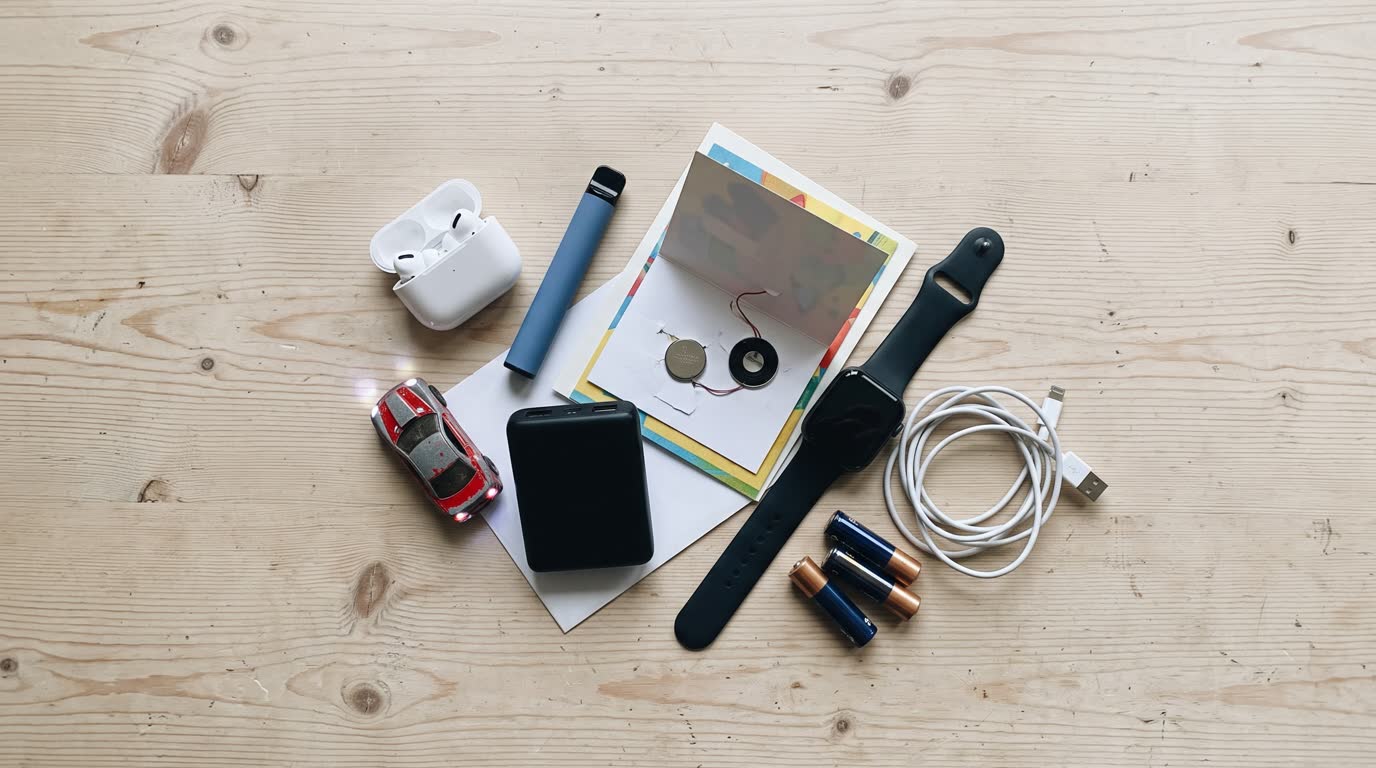
Small electronics often hide in our homes in items that, at first glance, we do not even think of as electronics. Wireless headphones, a flashing toy, an old power bank or even a greeting card that plays music may look like ordinary rubbish, but they must not be thrown into mixed municipal waste. All items that run on electricity, a rechargeable battery or a battery are e-waste and must be collected separately, which is free of charge for consumers all over Estonia.
In this article:
Which small electronics do not belong in mixed municipal waste?
Why are battery-powered devices dangerous in mixed municipal waste?
Where can you take small electronics free of charge?
Find your nearest small electronics collection box
Reading time: just 4 minutes.
Which small electronics do not belong in mixed municipal waste?
Small electronics include everything that runs on electricity, a rechargeable battery or a battery, no matter how small or cheap the item is. “There is more and more electronics in our homes, and often in items that we do not even think of as electronics at first glance. The rule of thumb is simple: if an item runs on electricity, a rechargeable battery or a battery, if it flashes, beeps or moves, it does not belong in mixed household waste,” said Kaur Kuurme, member of the management board of Eesti Elektroonikaromu.
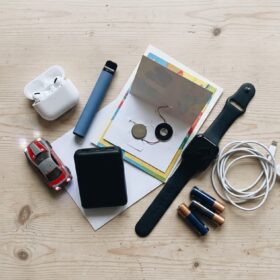
For example, the following small electronics must not be thrown into mixed municipal waste:
- disposable e-cigarettes;
- wireless headphones and their charging cases;
- power banks;
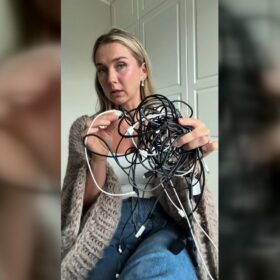
- chargers and cables;
- speakers, smartwatches and the like;
- electric tools, such as drills and electric screwdrivers;
- electric kitchen appliances;
- rechargeable lamps, fans and the like;
- smart and electronic watches;
- torches;
- toys with a battery or rechargeable battery, such as cars, dolls and any other toys that make sounds;
- electronic greeting cards that play music when opened;
- batteries.
A disposable e-cigarette is also an electronic device, containing a lithium battery, electronics, plastic and residues of nicotine liquid. Used e-cigarettes can be handed in free of charge at the shops that sell them, in small electronics and battery collection boxes and at waste stations.
Why are battery-powered devices dangerous in mixed municipal waste?
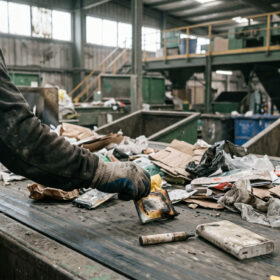
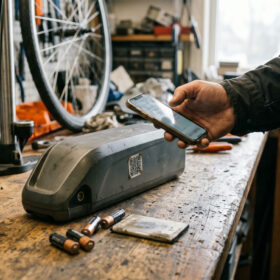
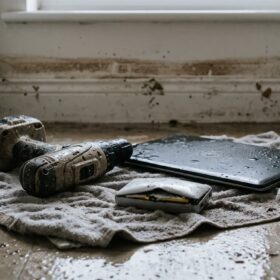
Devices with rechargeable batteries and batteries that end up in mixed municipal waste are particularly dangerous. In the waste truck the waste is compressed, and a battery can be crushed or broken, which can make it heat up and smoke, catch fire or, in the worst case, explode. The same risk continues at the waste treatment site, where waste is shredded and sorted, so a small e-cigarette, power bank or pair of wireless headphones can cause a large fire.
In addition to the fire risk, valuable material is lost when small electronics are thrown into mixed municipal waste. From a collection point, the devices go for treatment, where they are dismantled and the metal, plastic and glass are separated and sent for recycling. Hazardous substances found in the devices, such as lead, mercury and cadmium, must also not end up in nature. Every device that reaches a collection box therefore saves natural resources and at the same time reduces the risk of fires.
Around 3,500 tonnes of small electronics end up in household waste in Estonia every year, and in 2024 it was over 4,000 tonnes. Of this, about a quarter is collected, although the European Union’s target is 65%. Around 4-5 kg of electronics per person lie unused in homes, and 87% of Estonians have at least one unused smart device at home.
Where can you take small electronics free of charge?
Small electronics measuring up to 25 cm can be handed in free of charge in many shops and shopping centres. This is because a shop with a sales area of at least 400 m2 that sells electronics must accept devices up to 25 cm in size free of charge, even if the customer does not buy anything. For consumers, this means that an old charger, headphones or a torch can be handed in during the same shopping trip.
Through the cooperation of Eesti Elektroonikaromu and Selver, there are orange e-waste collection boxes in 29 larger Selver stores across Estonia, and in cooperation with the Coop chain, Eesti Elektroonikaromu has installed 140 containers across Estonia for collecting used small appliances. Shops also accept used batteries and rechargeable batteries separately and have the collection boxes needed for this, for example at Maxima, Coop and Olerex and in electronics shops. Larger electronic devices can be handed in free of charge at waste stations.
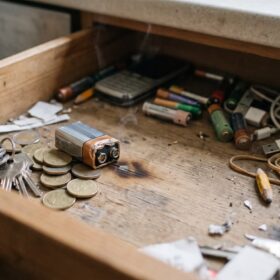
Before your next shopping trip, it is worth going through the drawer at home where old cables, headphones and other small devices have piled up, and taking them along to a collection box. If a device still works, it is worth first thinking about whether someone you know needs it or whether it could go to a reuse centre, because that way the device’s whole lifespan is put to use.
Find your nearest small electronics collection box
Small electronics collection boxes are located in shops and shopping centres across Estonia, and larger devices are accepted free of charge at waste stations and collection points. You can easily find your nearest collection box, collection point or waste station on the map app, and all e-waste collection points are also gathered in one list. As the treatment costs are already included in the price of the product, you are never charged a fee for handing in small electronics.
- Battery fires caused 2.66 billion euros of damage to the EU waste sector

- Every battery gets a QR code in 2027, but only large batteries get a battery passport
- Small electronics – 13 surprising items that must not go into mixed municipal waste
- Liisu Miller shows in a video where to take old chargers and cables
- Water-damaged devices: what to do after a flood?
- A household danger that can start fires and fits in the palm of your hand