25 November 2026
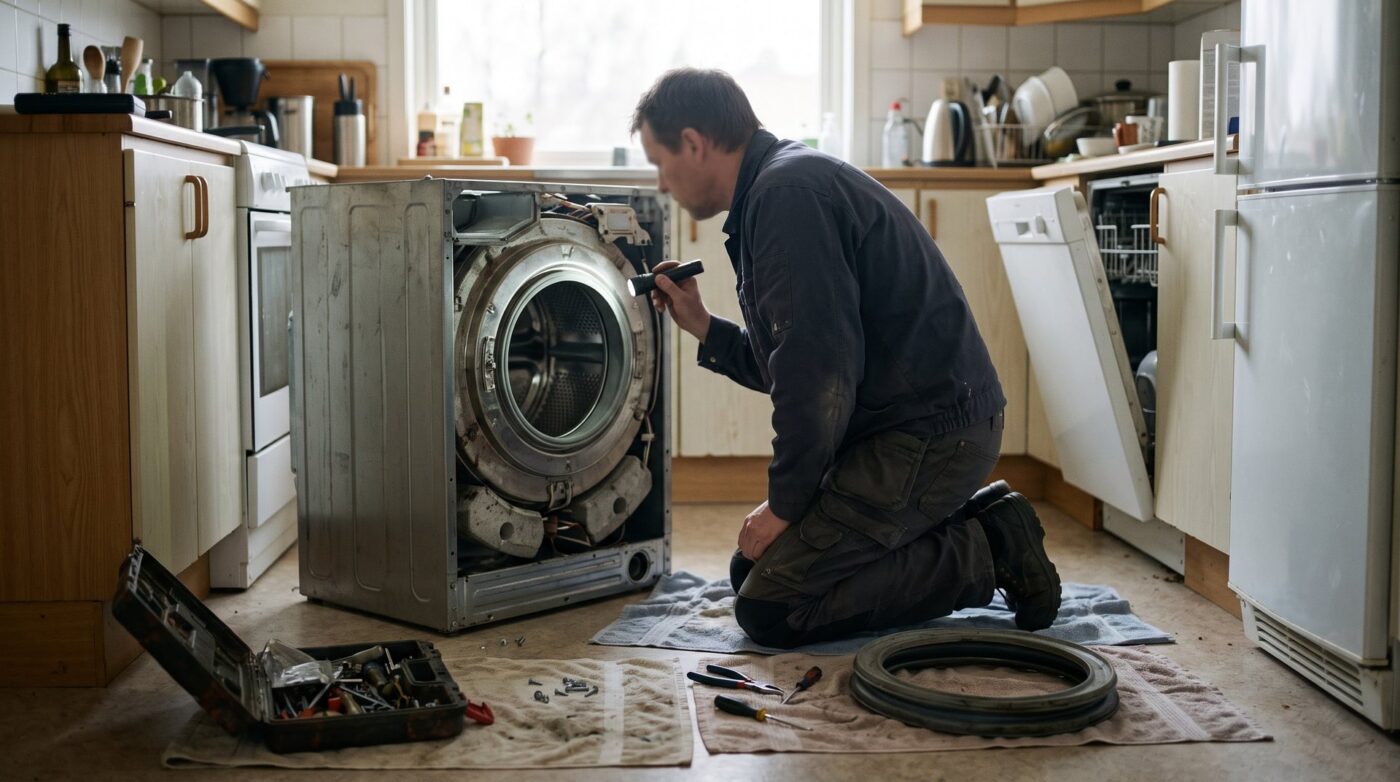
According to data collected by the European Environment Agency (EEA), in an average European household a refrigerator lasts 13 years, a washing machine and a dishwasher 12 years, and a coffee machine about 6.5 years. What about the electronics in Estonian homes? Heikki, a repair technician at Aalekol OÜ, a company that has been repairing household appliances for 20 years, considers these figures too optimistic.
“Older machines were indeed built to last 13 to 20 years, but today’s machines break down faster. They tend to last more like 5 to 6 years. The refrigerator is perhaps the only one that, in my view too, could last 13 years. Of course, it all depends on the user,” Heikki explained.
When a machine breaks down, the Aalekol technician strongly recommends calling a repairer, because repairers can help in an estimated three quarters of cases. “If we can repair it, the machine usually keeps working for several more good years,” Heikki said.
According to Kaur Kuurme, member of the management board of Eesti Elektroonikaromu, a very wide range of electronics is on the market: both inexpensive goods ordered online and expensive machines. Among consumers there are those who buy a new model to try out exciting new features, and those who use and repair the same household appliances for 20 years. Kuurme urges people, when a machine breaks down, to find out whether it can be repaired before buying a new one, and to consider whether a device that is no longer needed but still works could find a new owner on the second-hand market.
Heikki notes with regret that it would often be possible to get a machine working again, but there are cases where the price of a spare part is close to the price of a new machine. In that case it is better to send the appliance for recycling. “This applies, for example, to the electronic control units of machines, but the ball bearings of washing machines also cause problems: they are built into the machines so compactly that they can no longer be replaced,” Heikki said, giving some examples.
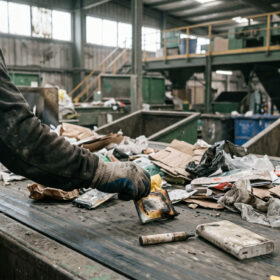
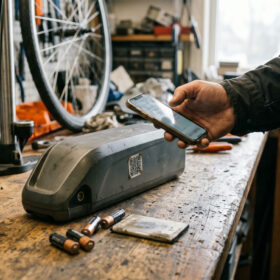
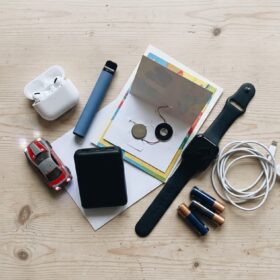
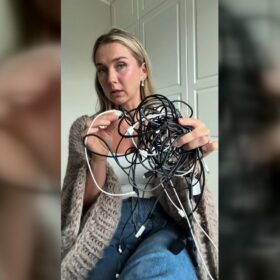
Kaur Kuurme stresses that if it turns out that a machine really can no longer be repaired, it must be taken to an e-waste collection point and not thrown into mixed municipal waste. E-waste contains many valuable materials that can be recycled. Gold, silver, plastic and metal can be recovered from it, to name some of the examples Kaur gave. Large appliances must be taken to a waste station, while small electronics can be put into the small electronics collection boxes in Selver and Coop stores and other larger shopping centres. Batteries are also products of concern that must be collected separately. E-waste can be handed in free of charge.
To extend the lifespan of household appliances, Heikki has some firm recommendations: follow the care instructions, and if a machine breaks down, call a repairer to check it before throwing the appliance away. “For example, remember that a dishwasher is not a waste disposal unit that grinds up food scraps. Larger food scraps must be removed from the dishes before they go into the machine, and the machine itself should also be kept clean,” said Heikki, pointing out a typical mistake in dishwasher care.
Heikki also advises caution when using AI to repair your machines. “I have had cases where I was called in to finish jobs that were started with the help of AI, and sometimes that has made things more complicated.” According to Heikki, however, AI can be trusted when choosing a machine. “Find out, manufacturer by manufacturer, what the typical faults of the product you are interested in are and whether they can be repaired. The faults of some products can be repaired, but some manufacturers build their machines in a way that makes it easier to buy a new one than to repair it,” said Heikki.
Source: European Environment Agency (EEA), Product lifespans – monitoring trends in Europe, 2024.
- Battery fires caused 2.66 billion euros of damage to the EU waste sector

- Every battery gets a QR code in 2027, but only large batteries get a battery passport
- Small electronics – 13 surprising items that must not go into mixed municipal waste
- Liisu Miller shows in a video where to take old chargers and cables
- Water-damaged devices: what to do after a flood?
- A household danger that can start fires and fits in the palm of your hand